Typescript Types Every Developer Must Know When Building a React Native App
TypeScript brings type safety to JavaScript, enabling React Native developers to catch errors early in development and produce robust and maintainable codebases.
Typescript Types Every Developer Must Know When Building a React Native App
Hello Developers 🧑🏻💻
TypeScript brings type safety to JavaScript, enabling React Native developers to catch errors early in development and produce robust and maintainable codebases.
While building React Native apps, knowing essential TypeScript types can save you time and improve the scalability of your projects.
Let’s explore some key TypeScript types and their applications in React Native development, including practical examples to solidify your understanding.
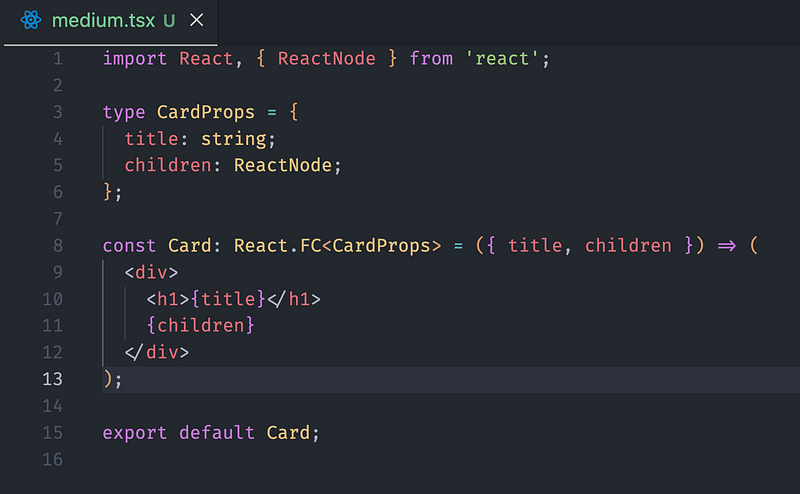
1. React.ReactNode
Use case: Any content that can be rendered in a React component.
ReactNode is used when a prop expects children or any renderable content, including JSX, strings, numbers, or even null.
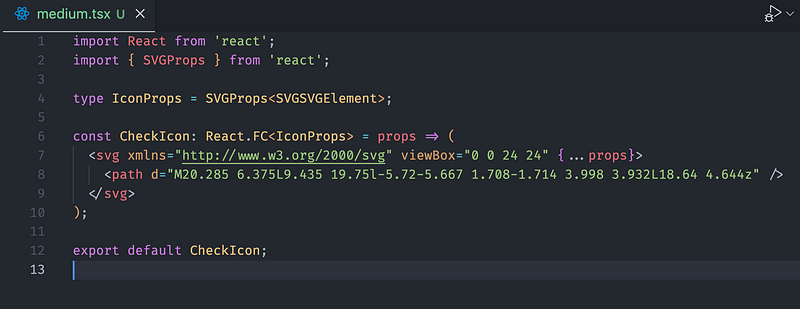
2. SVGProps<SVGSVGElement>
Use case: Customizing and rendering SVG icons.
This type helps when creating reusable SVG components, ensuring proper typing for props such as fill, stroke, and event listeners.
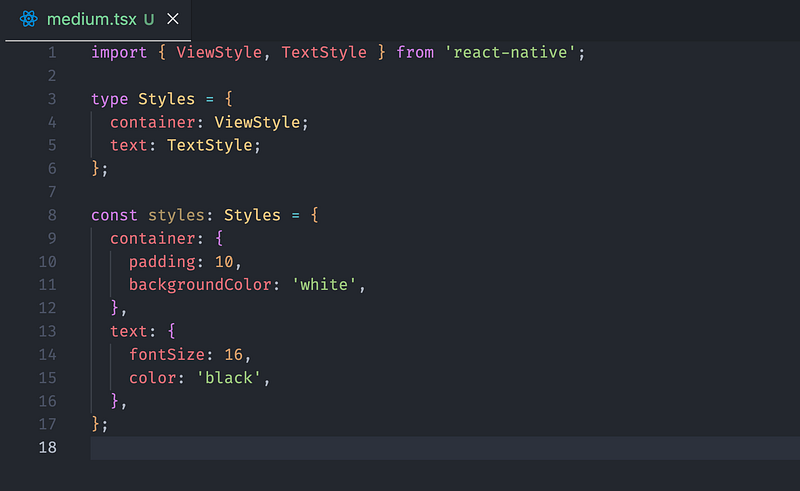
3. ViewStyle, TextStyle, ImageStyle
Use case: Defining style props for components.
React Native uses these types to enforce correctness in style objects for views, text, and images.
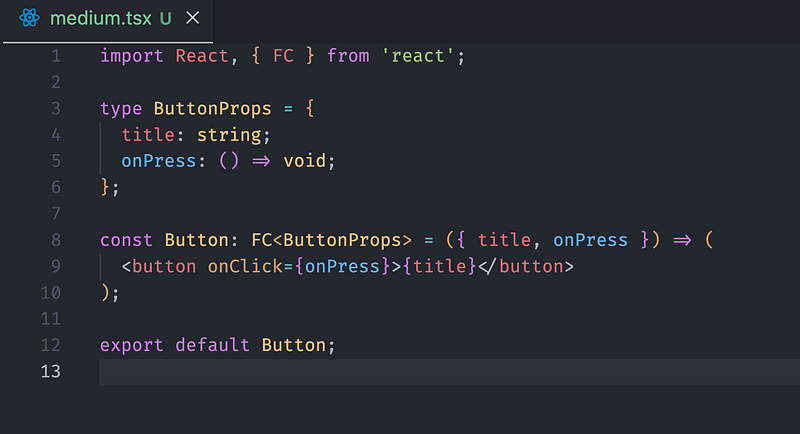
4. FC<Props> (or FunctionComponent)
Use case: Typing functional components.
This type enforces that a functional component receives specific props.
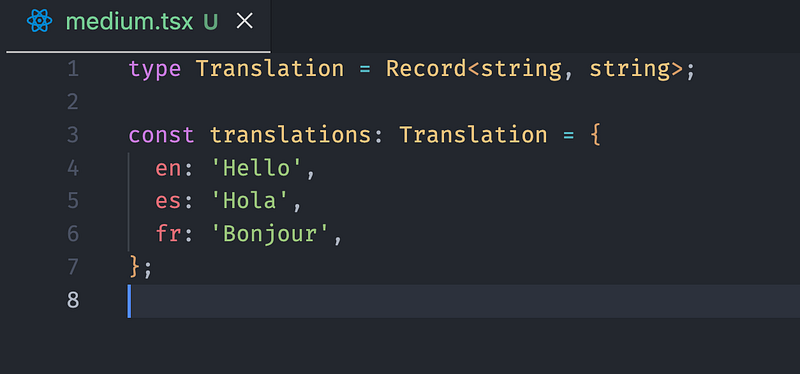
5. Record<Key, Type>
Use case: Mapping key-value pairs where keys and values have specific types.
This is useful when you have dynamic object structures.
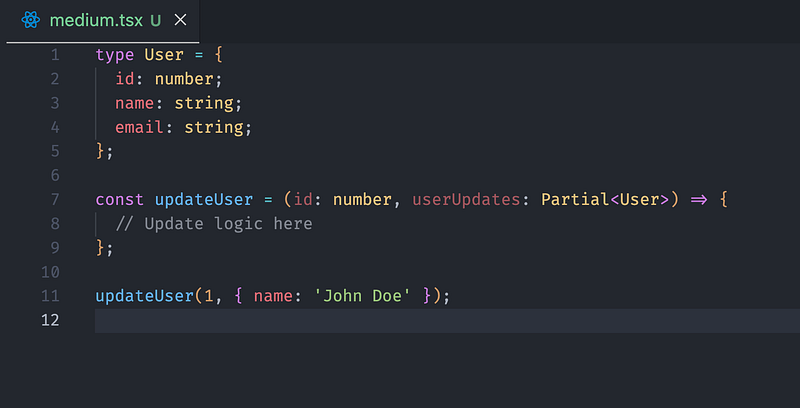
6. Partial<Type>
Use case: Creating optional properties in an object.
It’s helpful when updating or initializing objects incrementally.
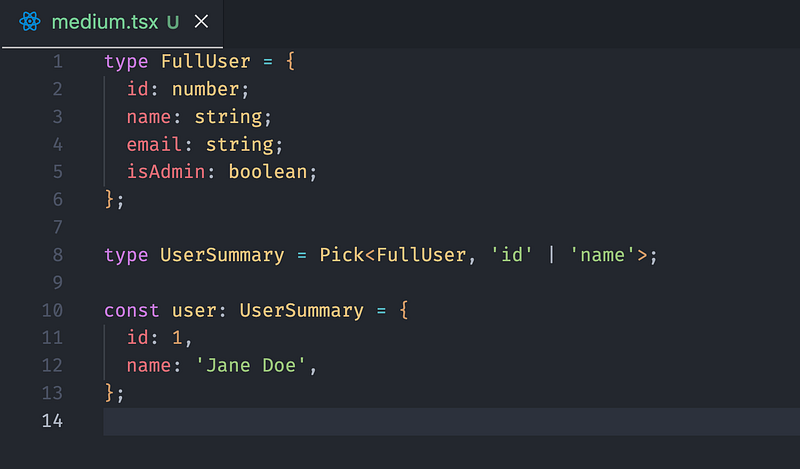
7. Pick<Type, Keys>
Use case: Selecting specific properties from a type.
This keeps type definitions clean and avoids redundancy.
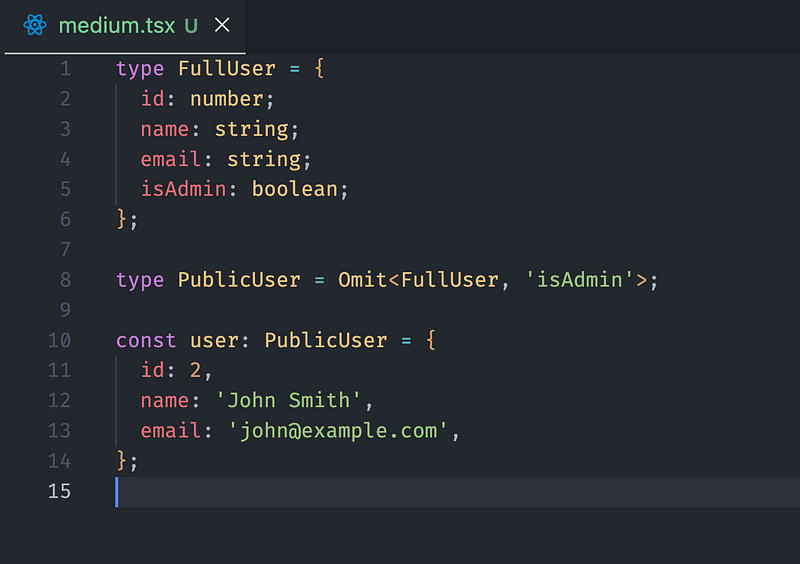
8. Omit<Type, Keys>
Use case: Removing specific properties from a type.
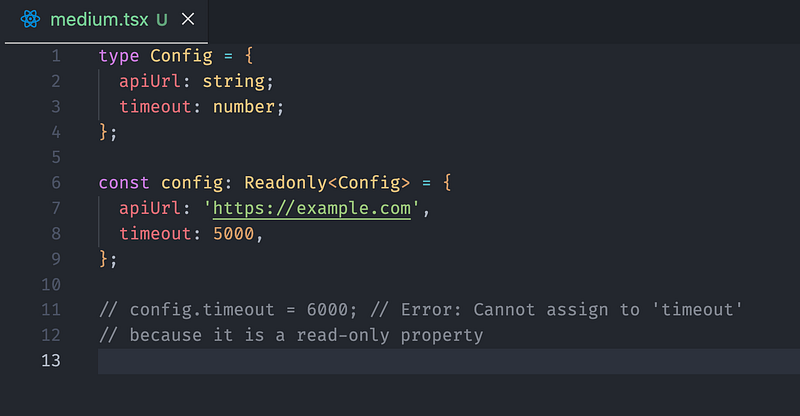
9. Readonly<Type>
Use case: Making properties immutable.
This type is especially useful for constants or state objects you want to ensure remain unchanged.
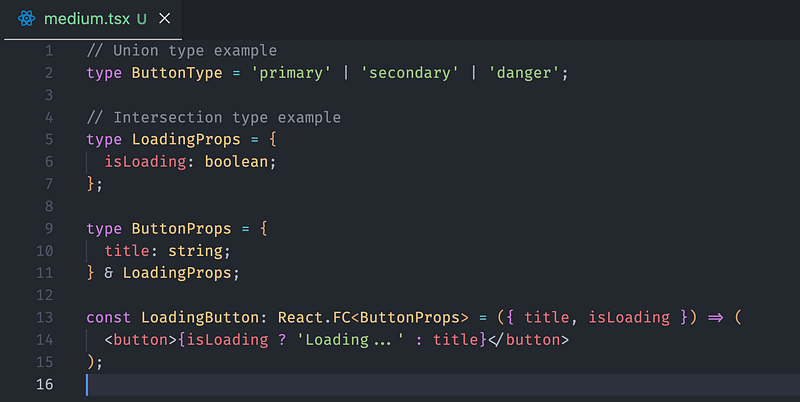
10. Union and Intersection Types
Use case: Combining or restricting multiple types.
- Union allows values to be one of several types.
- Intersection merges multiple types.
These essential TypeScript types empower you to write clean, error-free React Native code and make your components and utilities more robust.
By leveraging these types effectively, you’ll improve both development speed and application scalability.
Master them, and your productivity as a TypeScript-savvy React Native developer will skyrocket!
Enjoyed this article?
Follow me on Medium for more insightful content on React Native, app development, and the latest tech trends.
Have questions or a different perspective? I’d love to hear your thoughts in the comments!
Thanks for reading! If you found this helpful, feel free to share it with your network or save it for later.