React Native in 2025
As we enter 2025, the question of whether React Native remains a valuable technology to learn becomes increasingly relevant for developers considering mobile app development. In this story, we’ll explore the state of React Native in 2025 and whether it’s the right choice for aspiring or transitioning developers.
React Native in 2025: Is It Still Worth Learning?
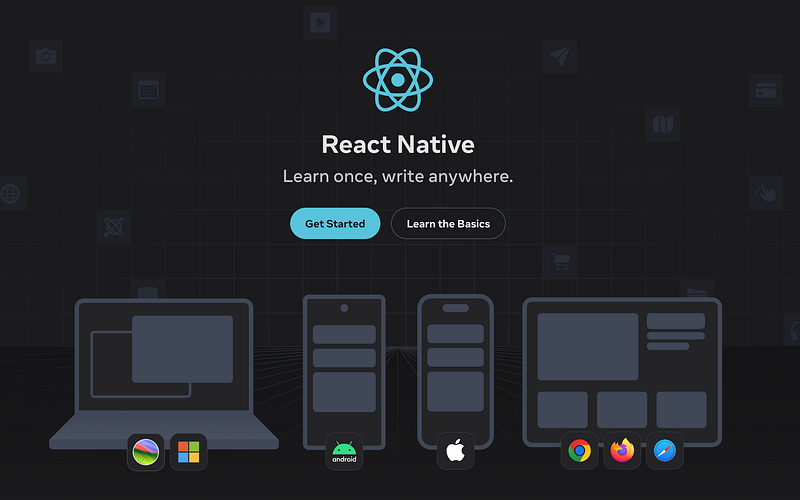
Hello Developers 🧑🏻💻,
As we enter 2025, the question of whether React Native remains a valuable technology to learn becomes increasingly relevant for developers considering mobile app development. In this story, we’ll explore the state of React Native in 2025 and whether it’s the right choice for aspiring or transitioning developers.
The State of React Native in 2025
React Native, launched by Facebook in 2015, has grown significantly over the years. Its popularity stems from the ability to write one codebase that works across iOS and Android platforms, saving time and resources. Here’s what React Native looks like in 2025:
1. Continued Backing by Meta
Meta (formerly Facebook) continues to actively maintain React Native, releasing consistent updates to address developer pain points, improve performance, and support new features in iOS and Android platforms.
2. Integration with Modern Tools
React Native now integrates seamlessly with modern tools and frameworks like Expo and libraries for advanced animations, making development faster and easier.
3. Adoption by Enterprises and Startups
Major companies like Shopify, Tesla, and Instagram still rely on React Native for their mobile apps, alongside startups that benefit from the reduced cost of building native-like apps with a single team.
4. Improved Performance
Over the years, React Native has reduced its reliance on the bridge architecture by embracing JavaScript interfaces (JSI). This has allowed tighter integration with native modules, boosting app performance significantly.
Why Learn React Native in 2025?
Here are some reasons why React Native is still worth learning in 2025:
1. Demand in the Job Market
With many businesses opting for cross-platform solutions, the demand for skilled React Native developers remains strong. Job opportunities span across industries, and freelance marketplaces are buzzing with React Native projects.
2. Fast Prototyping and Development
Whether you’re a solo developer building a side project or part of a team aiming to minimize time-to-market, React Native lets you create apps quickly while ensuring a high-quality user experience.
3. Cost Efficiency
React Native’s “write once, run anywhere” approach saves companies money. Learning React Native makes you valuable to employers looking for cost-effective development solutions.
4. Expanding Ecosystem
The React Native ecosystem continues to expand with robust community support and a growing collection of third-party libraries. These tools simplify everything from implementing complex animations to integrating machine learning models into apps.
Challenges to Consider
While React Native has clear advantages, some challenges persist:
1. Performance Limitations
For apps requiring heavy animations or real-time functionality, native development (Swift or Kotlin) might still be preferable.
2. Learning Curve
Developers with no prior knowledge of React or JavaScript might find React Native challenging initially.
3. Competition from Other Frameworks
New cross-platform frameworks like Flutter and Kotlin Multiplatform have gained traction, offering strong competition to React Native.
Who Should Learn React Native?
Frontend Developers: If you’re already familiar with React, transitioning to React Native is a logical next step.
JavaScript Developers: Extend your skills to mobile app development with React Native.
Aspiring App Developers: Learn React Native to capitalize on the growing demand for cross-platform solutions.
React Native vs. Alternatives in 2025
While Flutter offers similar capabilities with its Dart programming language, React Native’s reliance on JavaScript makes it a better fit for developers who already know or plan to learn JavaScript. For those prioritizing performance over cross-platform convenience, native development might be a better route.
Final Thoughts
In 2025, React Native continues to be a strong choice for mobile app development. Its vibrant community, cost-efficiency, and wide adoption in the industry make it a worthwhile skill to learn. However, the choice depends on your career goals, existing skills, and the type of projects you wish to work on.
If your goal is to develop feature-rich, cross-platform mobile apps efficiently, React Native should definitely be on your list of technologies to master in 2025.
Enjoyed this article?
Follow me on Medium for more insightful content on React Native, app development, and the latest tech trends.
Have questions or a different perspective? I’d love to hear your thoughts in the comments!
Thanks for reading! If you found this helpful, feel free to share it with your network or save it for later.